Home › Services
Chain link fence in Cincinnati: galvanized and black coated
Chain link is the practical workhorse of residential fencing. It keeps dogs and kids in, marks a property line, fences a garden or a side yard, and does it without blocking light or breezes. A chain link fence cincinnati homeowners will be happy with for decades is not just a roll of mesh on some pipes, though. The wire gauge, the coating, the size of the posts, how the bottom is secured and how the fence handles a steep backyard all decide whether it stays tight and straight or ends up sagging, rusting and bent under the first fallen limb. Here is how the parts fit together and what to ask before you hire someone.
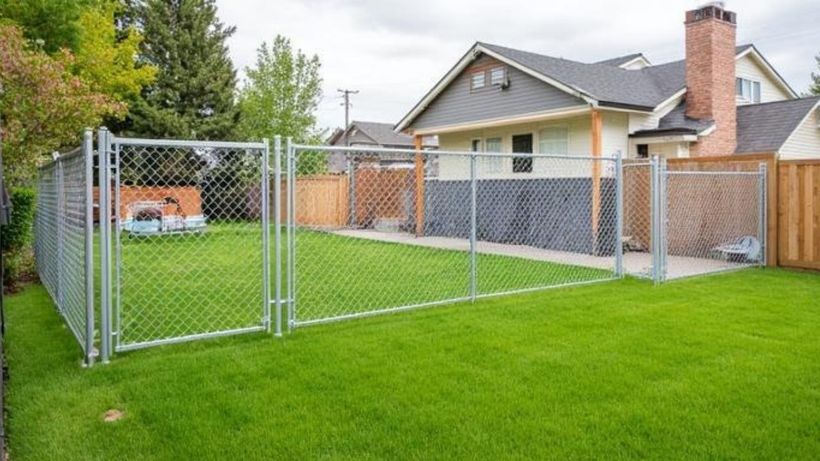
Galvanized, vinyl coated and black chain link compared
Plain galvanized chain link is steel wire coated with zinc. The zinc slowly weathers away in place of the steel, which is what keeps the fence from rusting. It has a bright silver look when new and dulls to a flat gray over time. It is the most economical option and blends in around sheds, gardens and utility areas where looks are secondary.
Vinyl coated chain link, most often black, starts with galvanized or aluminized wire and fuses a layer of PVC or similar plastic over the metal, and matching coated posts, rails and fittings complete the look. Black coated fence tends to visually disappear against grass and trees, which is why it is popular in front yards, along wooded lot lines in Anderson Township and Loveland, and anywhere an HOA frowns on shiny metal. Green and brown coatings are also available. The coating adds a second barrier against rust, and it is softer on hands and paws.
The tradeoff is that coated fence usually costs more than bare galvanized, and a deep nick in the coating from a string trimmer or snowblower can expose the wire underneath. Galvanized fence, on the other hand, can show surface rust earlier where the zinc is thin, such as cut ends and places where wire rubs on wire.
Wire gauge and mesh size: what the numbers mean
Chain link wire is described by gauge, and the numbering runs backward: a lower number means thicker wire. Common residential choices range from lighter wire around eleven and a half gauge up to heavier nine gauge, with heavier still used on commercial and industrial jobs. Thin wire is fine for a small garden or a low-traffic side yard. For a large dog that jumps and leans, a yard with kids climbing, or a line along a busy alley, heavier wire resists denting and stretching far better.
Mesh size is the width of the diamond openings. Two-inch mesh is the standard residential size. Smaller openings are harder to climb and can keep small dogs and cats from squeezing a head or paw through, while larger openings are generally used on farm and field fencing. Height is usually four, five or six feet for homes. Ask for the wire gauge, mesh size, coating type and fabric height in writing, because those four details make most of the difference between a bargain fence and a sturdy one.
- Lower gauge number means thicker, stronger wire.
- Two-inch mesh is typical; smaller openings are harder to climb.
- Knuckled tops (bent wire ends) are friendlier to hands and pets than twisted, barbed ends.
- Heavier fabric pays off wherever dogs, kids or ladders will be on the fence.
Terminal posts, line posts and why post size matters
A chain link fence has two kinds of posts. Terminal posts sit at the ends, corners and gates. They carry the full tension of the stretched fabric, so they are larger in diameter and set deeper in larger footings. Line posts run between the terminals and mainly hold the fabric up. They see much less load and are smaller.
Undersized terminal posts are one of the most common reasons chain link fails. When a corner post is too light or its footing is too shallow in wet clay, the pull of the fabric slowly bends the post inward, and the whole run loosens and sags. Cincinnati-area clay makes this worse because it softens after long rains and heaves during freeze-thaw cycles. Good practice is to set terminal posts in concrete below frost depth, with a crowned top that sheds water, and to space line posts at regular intervals, often no more than about ten feet apart. Ask what diameter and wall thickness of pipe is planned for terminals, line posts and gate posts. Heavier schedules of pipe cost more but stay straight much longer.
Corner and end posts also get bracing. A horizontal brace rail and a diagonal truss rod tie the terminal post to the first line post so the tension is shared. Skipping those braces on long runs is a shortcut that tends to show up as a leaning corner a few seasons later.
Top rail or tension wire along the top
Most residential chain link uses a top rail: a continuous run of pipe that sits in loop caps on each line post and connects to the terminals. The top rail keeps the posts in line, gives the fabric a stiff edge to hang on and resists pushing and leaning. It is the standard choice for backyards, pet fences and anywhere people or animals will put weight on the fence.
The alternative is a heavy tension wire strung along the top instead of a rail. It looks lighter and reduces material, and you often see it on farm fencing and long, straight runs. On a home fence it tends to let the top of the fabric wander and makes it easier for a dog to push the fabric out. Some installers use both: a top rail for stiffness and a tension wire along the bottom. A mid rail is also worth considering on taller fences, especially six-foot runs where a lot of fabric sits between rail and ground.
Bottom tension wire and stopping dogs that dig
Without anything along the bottom, chain link fabric can be pushed out or lifted by a determined dog, a raccoon or a child. The fix is a bottom tension wire, a heavy wire stretched tight between terminal posts near the ground and tied to the fabric at regular intervals. It keeps the bottom edge tight and in line and makes a big difference with pets.
For dogs that dig, the bottom tension wire is only part of the answer. Keep the gap between the fabric and the ground small, often about two inches or less, and grade the soil so there are no low spots along the line. On lots where the ground dips, the contractor can adjust the fabric height or fill low areas. For serious diggers, some homeowners bury a strip of wire mesh along the base of the fence, bent outward in an L-shape, or pour a narrow concrete mow strip under the fence line. Both stop digging where it starts and also make mowing and trimming easier.
Privacy slats and screening for chain link
Chain link is see-through by design, but it does not have to stay that way. Privacy slats are strips of plastic or similar material woven vertically or diagonally through the mesh. Some are flat and give partial screening, while others are shaped or have fins that fill the diamond openings more fully. They come in several colors and can soften the look of an existing fence without replacing it.
Slats add wind load, so posts and footings need to be sized for it, particularly on tall fences in open, exposed yards. Slats also make installation and fabric tightness more important, because gaps show more clearly. Over time plastic slats can fade in full sun and may need replacing. Another option is a mesh screening fabric attached to the fence, which is common on tennis courts and works for dog runs and pool equipment areas. If privacy is the main goal and you are starting from scratch, compare slatted chain link against vinyl or wood privacy fencing before deciding.
Walk gates, drive gates and hardware that holds up
Gates get more wear than any other part of a fence, so hardware matters. A standard walk gate is usually about four feet wide, enough for a person and a wheelbarrow. If you need to get a riding mower, a trailer or a small tractor into the backyard, plan for a wider single gate or a double drive gate. Double gates typically use a drop rod, a vertical bar that slides into a sleeve or hole in the ground, to hold the inactive leaf closed.
Gate posts should be heavier than line posts and set in deeper footings. Gate frames should be welded or assembled with sturdy fittings and include a diagonal brace so they do not sag. Ask about the latch style too: a fork latch is simple, while a gravity or self-latching design helps keep dogs and kids in. For a gate that must close on its own, spring hinges or an add-on gate closer can be installed. On long drive gates, a wheel under the free end can take some strain off the hinge post, though it needs a smooth, firm surface to roll on.
Following grade on Cincinnati hills and uneven ground
Chain link handles slopes better than most fence types. Because the fabric is flexible, it can follow the contour of the ground instead of stepping down in level sections. On the steep yards common in Delhi, Westwood, Green Township and the hills along the Ohio River, that means fewer gaps under the fence and a cleaner line along the ground.
Where the grade changes sharply, the installer may need to set additional terminal posts at the break so the fabric can change angle. Very steep sections sometimes require cutting and re-tying fabric so the diamonds stay straight rather than twisting. Uneven ground with rock ledges or old retaining walls may need core drilling or special footings. On slopes, ask how the bottom line will be kept close to the ground, especially if the fence is meant to hold a dog. A crew that just stretches fabric over a dip leaves the exact gap a pet will find.
Common uses: dogs, kids, property lines and gardens
Chain link is used for more than just property boundaries. It is one of the most practical fences for dog owners, since dogs cannot chew through it, it is hard to jump when taller, and it lets them see what is going on. Families with young children use it to keep kids in a safe backyard play area while keeping sight lines clear from the kitchen window. Gardeners use it to keep rabbits and groundhogs out of vegetable beds, usually with a band of smaller mesh added along the bottom, though a short fence will not stop a determined deer.
For property lines, chain link is often the most economical way to mark the boundary clearly, especially on large or long lots in Colerain, Milford or Fairfield. Be sure the property line is known before the fence goes up. A survey or existing property pins may be needed if there is any doubt. Many cities, townships and HOAs regulate fence height and placement, particularly in front yards and on corner lots, so check with the city, township or HOA before committing to a layout.
Rust, longevity, repairs and what a proposal should list
A well-built galvanized or coated chain link fence can last for decades. The first signs of age usually show up at cut ends of fabric, fittings and gate hardware, where the zinc is thinnest. Light surface rust is mostly cosmetic. Heavy flaking, sagging fabric or bent posts mean the fence is losing strength. Keeping vines, soil and mulch off the fabric, and trimming carefully around the base, helps the coating last longer.
Repairs are straightforward compared to many fence types. A damaged section of fabric can be cut out and a new piece woven in. A bent top rail can be swapped by sliding in a new length. A leaning post can be dug out and reset. Loose fabric can often be re-tensioned with a stretcher bar and come-along. Matching an old galvanized fence exactly may not be possible, but new sections blend in after a season or two of weathering.
A clear written proposal should include the items below so you can compare contractors fairly and know exactly what you are getting.
- Fabric height, wire gauge, mesh size and coating type and color.
- Diameter and wall thickness of terminal, line and gate posts, plus hole depth and concrete.
- Top rail, mid rail if any, bottom tension wire and bracing at terminals.
- Gate sizes, frame construction, hinges, latches and any drop rods or closers.
- Slats or screening, if included, with color and style.
- How slopes, rock and tree roots will be handled along the line.
- Removal of any old fence, cleanup, who calls utility locates and who handles any permit.
Chain link fence in Cincinnati — common questions
Should I choose galvanized or black coated chain link?
Galvanized is the most economical and works well for utility areas, gardens and back lot lines where appearance matters less. Black coated chain link costs more but blends into lawns and trees, looks more finished in a front or side yard and adds an extra layer of rust protection. If an HOA is involved, check their rules first, since some neighborhoods allow only coated fence or limit where chain link can go.
What wire gauge should I pick for a dog fence?
For a small or calm dog, standard residential fabric is usually fine. For larger, strong or high-energy dogs that jump, lean or push, heavier wire such as nine gauge holds its shape better and resists stretching. Pair it with a top rail, a bottom tension wire and a small gap at the ground. Height matters too; many owners of athletic dogs choose five or six feet instead of four.
How do I stop my dog from digging under a chain link fence?
Start with a tight bottom tension wire and a small gap between fabric and soil. Fill low spots along the line so there are no easy starting points. For persistent diggers, bury a strip of wire mesh along the base, bent outward in an L-shape, or pour a narrow concrete mow strip under the fence. Both stop digging at the fence line and make mowing easier as well.
Can chain link follow the slope of a steep backyard?
Yes. Chain link fabric flexes to follow the ground, so it usually tracks slopes better than panel fences that must be stepped. Where the grade changes sharply, the installer may add extra terminal posts or cut and re-tie the fabric so it stays straight. On very steep or rocky ground, core drilling or special footings may be needed. Ask how the bottom of the fence will stay close to grade.
Do privacy slats hurt a chain link fence?
They do not damage the fence, but they change how it behaves. Slats add wind load, so posts and footings need to be sturdy, especially on tall runs in open yards. They also make loose fabric more noticeable. Plastic slats can fade in full sun over time. If privacy is your main goal and you are starting new, compare slatted chain link with a vinyl or wood privacy fence before deciding.
Why is my old chain link fence sagging between posts?
Sagging usually comes from loose fabric, a missing or damaged top rail, bent line posts or terminal posts that have leaned inward. In clay soil, posts set too shallow can heave or tilt over time. A contractor can often re-tension the fabric, straighten or replace bent posts and add bracing at corners. If many posts are loose or rusted through, a full replacement may make more sense.
Can a damaged section of chain link be repaired instead of replaced?
In most cases, yes. A torn or bent section of fabric can be cut out and new fabric woven in. A crushed top rail can be removed and replaced. Leaning posts can be dug out, reset and braced. The new pieces may look brighter than old galvanized wire at first, but they usually weather to a similar gray. Extensive rust or many failed posts point toward replacement.
Do I need a permit for a chain link fence?
That depends on where the house sits. Each community in the region writes its own zoning language, so a backyard chain link run that needs no approval in one township may need a zoning review a few miles away. Rules commonly address height, how close to the sidewalk or lot line a fence may stand and what can go in a front yard. Subdivision associations sometimes allow only black coated fabric. Call the zoning office, then confirm in writing whether the contractor or you will file anything required.
Talk through your site
Start with the address, what you want done, and a few photographs of the area, including anywhere water sits after a heavy rain.
Related work
Fence Installation
New residential fences, laid out, set and finished for Cincinnati clay and hills.
Fence Repair
Leaning posts, sagging gates, storm damage and rotted boards, and when to replace instead.
Wood Privacy Fences
Board-on-board, shadowbox and stockade privacy fences, and how to make wood last.
Vinyl Fences
Low-maintenance vinyl privacy and picket fences and what cold winters ask of them.
Aluminum & Ornamental Fences
Ornamental aluminum for front yards, slopes and pool enclosures.
Across the metro
West Chester
Newer subdivisions, HOA rules and flat-to-rolling lots in Butler County.
Mason
Suburban lots in Warren County, many with covenants on fence style and height.
Anderson Township
Wooded, hilly east-side lots where slopes and deer shape the fence.
Green Township & the West Side
Older west-side neighborhoods, steep yards and mature trees.